
Learn SEO Through Practical Training
Understand how search engine optimization helps websites improve their visibility in organic search results. Explore keyword research, on-page SEO, content optimization, technical SEO fundamentals and website performance analysis.
Learn how SEO tasks fit together, practise relevant techniques and understand how to evaluate opportunities for improving a website’s search presence.

What Is Search Engine Optimization?
Search engine optimization, commonly known as SEO, is the process of improving a website so that search engines can discover, understand and present its pages for relevant searches.
SEO involves understanding what people search for, creating useful content, organizing website pages and addressing technical issues that may affect crawling or indexing. It also involves monitoring performance and improving pages over time.
In this course, you will explore the main areas of SEO and how they work together to support a website’s organic search visibility.
What Will You Learn?
Explore the core principles of SEO and understand how keyword research, website optimization, content quality and technical improvements work together. Learn how to review search performance and identify opportunities to improve a website’s visibility.
UNDERSTAND
Learn how search engines discover website pages, interpret content and display relevant results.
PRACTICE
Apply SEO concepts through keyword research, page optimization, content planning and website reviews.
ANALYSE
Review SEO data to understand search visibility, clicks and page performance, then identify areas for improvement.
How SEO Learning Works
SEO involves research, implementation and continuous improvement. Learn the fundamentals, apply them to website pages, review performance and use what you discover to plan the next improvements.
Understand
Research
OPTIMIZE
ANALYSE
IMPROVE
SEO Skills You Will Learn
Explore the major areas of search engine optimization, from researching keywords and optimizing individual pages to understanding backlinks, technical website health, local search visibility and SEO performance reporting.
SEO Fundamentals
Understand how search engines crawl, index and rank pages, and learn the basic concepts behind organic search visibility.
Keyword Research
Learn how to discover relevant search terms, understand search intent and organize keywords around website topics and user needs.
On-Page SEO
Explore title tags, meta descriptions, headings, URLs, internal links, image alt text and useful page content.
Technical SEO
Learn the fundamentals of crawling, indexing, XML sitemaps, robots.txt, canonical URLs, redirects and website performance.
Content SEO
Understand how to plan and improve website content around relevant topics, search intent, readability and audience needs.
Off-Page SEO
Explore backlinks, referring domains, link quality and ethical ways to build a website's reputation and authority.
Local SEO
Learn about Google Business Profile, local search terms, business information consistency, customer reviews and location-specific pages.
SEO Audit and Strategy
Learn how to review a website's SEO condition, identify common issues, prioritize improvements and prepare an action plan covering technical SEO, on-page optimization, off-page opportunities and local visibility where relevant.
SEO Analytics
Explore organic clicks, impressions, search queries, landing-page performance and relevant SEO reports to identify possible improvements.
Your SEO Learning Path
Follow a structured process to understand how SEO tasks connect. Begin with search intent and keyword research, optimize website pages and content, review performance data, identify issues and plan improvements.
Understand Search Intent
Research Keywords
Optimize Pages and Content
Review SEO Performance
Identify Issues
Improve and Measure Again
SEO is ongoing. Results and opportunities should be reviewed over time rather than treated as a one-time task.
SEO Course Modules
Explore the main topics covered in SEO training. Each module introduces an important part of the optimization process.
SEO Fundamentals
Understand search engines, organic search, crawling, indexing and the basics of how search results are presented.
Keyword Research
Explore keyword discovery, search intent, keyword grouping and selecting relevant terms for website content.
On-Page SEO
Learn about page titles, meta descriptions, headings, URLs, internal links, image alt text and content optimization.
Technical SEO
Understand XML sitemaps, robots.txt, canonical URLs, redirects, crawling, indexing and common website health checks.
Content SEO
Learn to plan, structure and improve useful content that addresses the needs and search intent of your audience.
Off-Page SEO
Explore backlinks, referring domains, link quality, digital PR and ethical link-building practices.
Local SEO
Understand Google Business Profile, local keywords, business information consistency, reviews and local landing pages.
SEO Analytics
Learn to interpret search impressions, clicks, click-through rate, search queries and organic performance reports.
SEO Tools You Will Work With
Explore tools that help marketers research search terms, review website performance, optimize pages and understand organic search opportunities. Learn what each tool is used for and how its information can support SEO decisions.
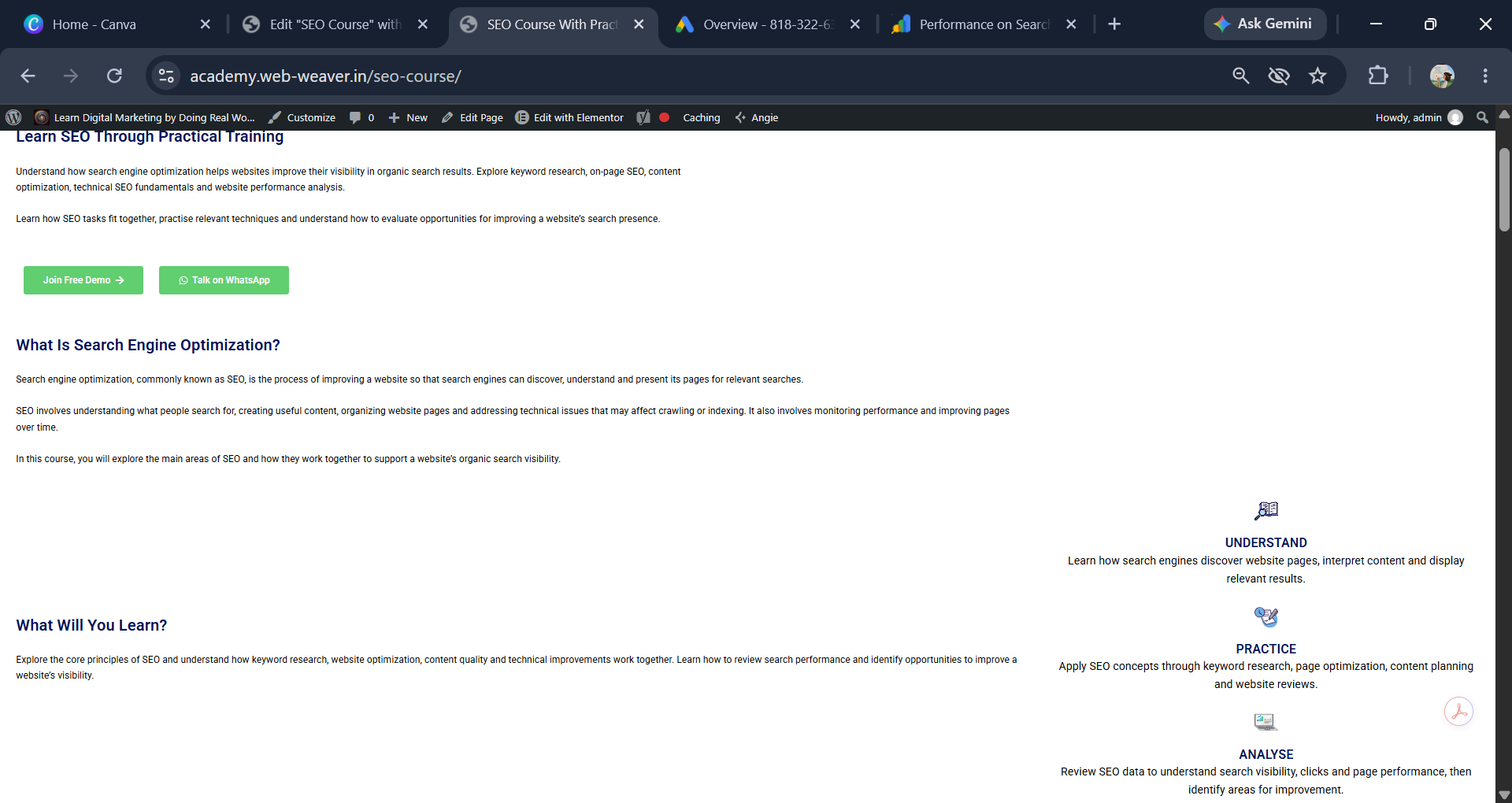
Google Search
Explore search results and understand how pages appear for relevant queries.
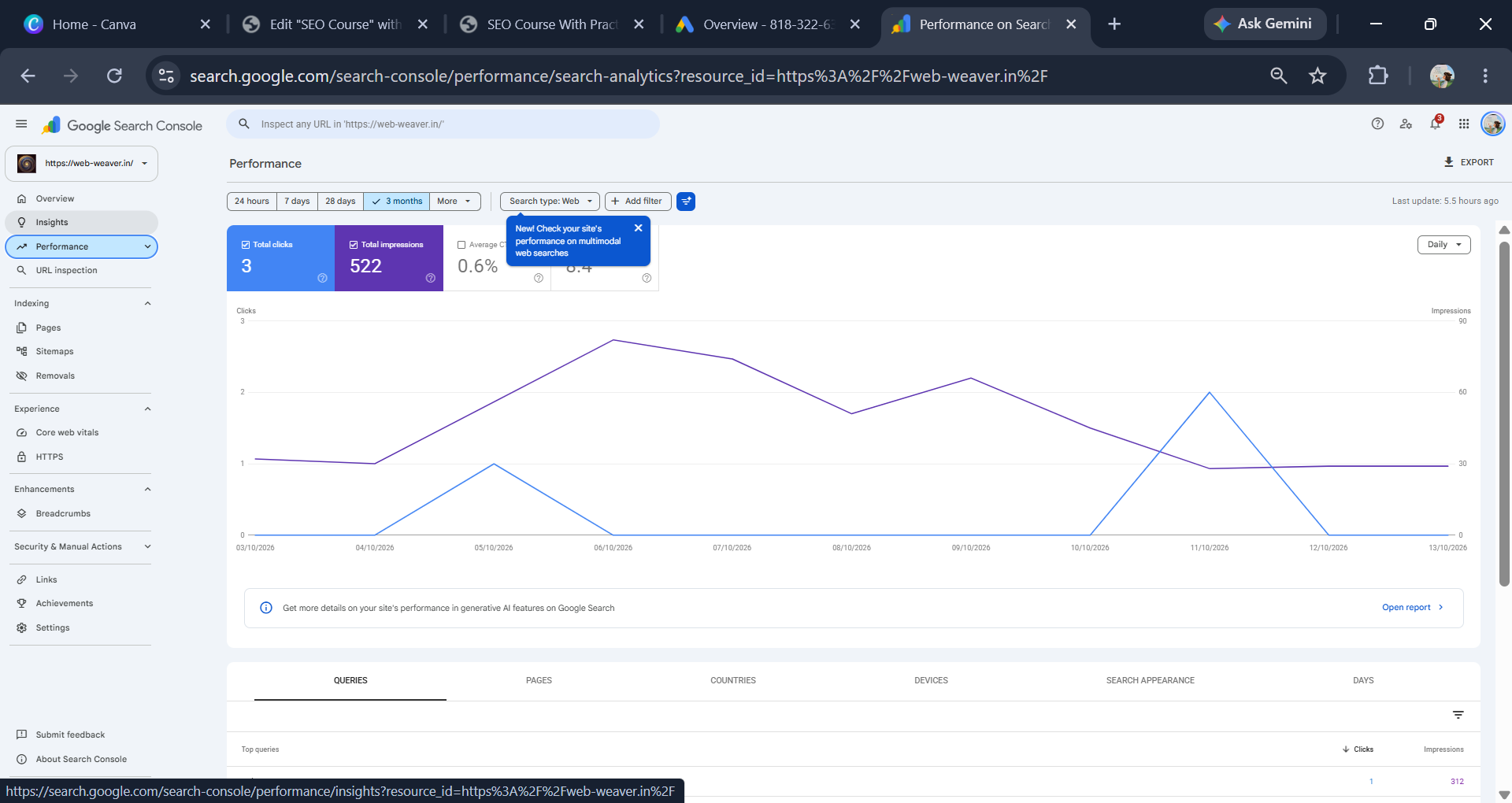
Google Search Console
Review search queries, clicks, impressions, indexing information and website search performance.
Google Analytics
Understand website traffic and how visitors interact with website content.
Google Keyword Planner
Explore keyword ideas and search-related estimates for planning.
Google Trends
Compare interest in topics and observe changes in search interest.
WordPress
Apply SEO principles to website pages and content.
Elementor
Edit page layouts and content while considering heading structure, readability and page organization.
SEO Plugin
Configure and review supported SEO settings, such as titles and meta descriptions.
Work on a Practical SEO Project
Learn how to approach an SEO task systematically. Start by understanding the website and its audience, review its current condition, research relevant keywords, examine search intent and identify opportunities for improvement.
Understand the Website or Business
Review the Website's SEO
Research Keywords and Search Intent
Check On-Page and Technical Issues
Review Content and Off-Page Opportunities
Prioritize Improvements
Measure and Review Again
The purpose is to understand how individual SEO tasks connect within a practical workflow.
Practical SEO Project Examples
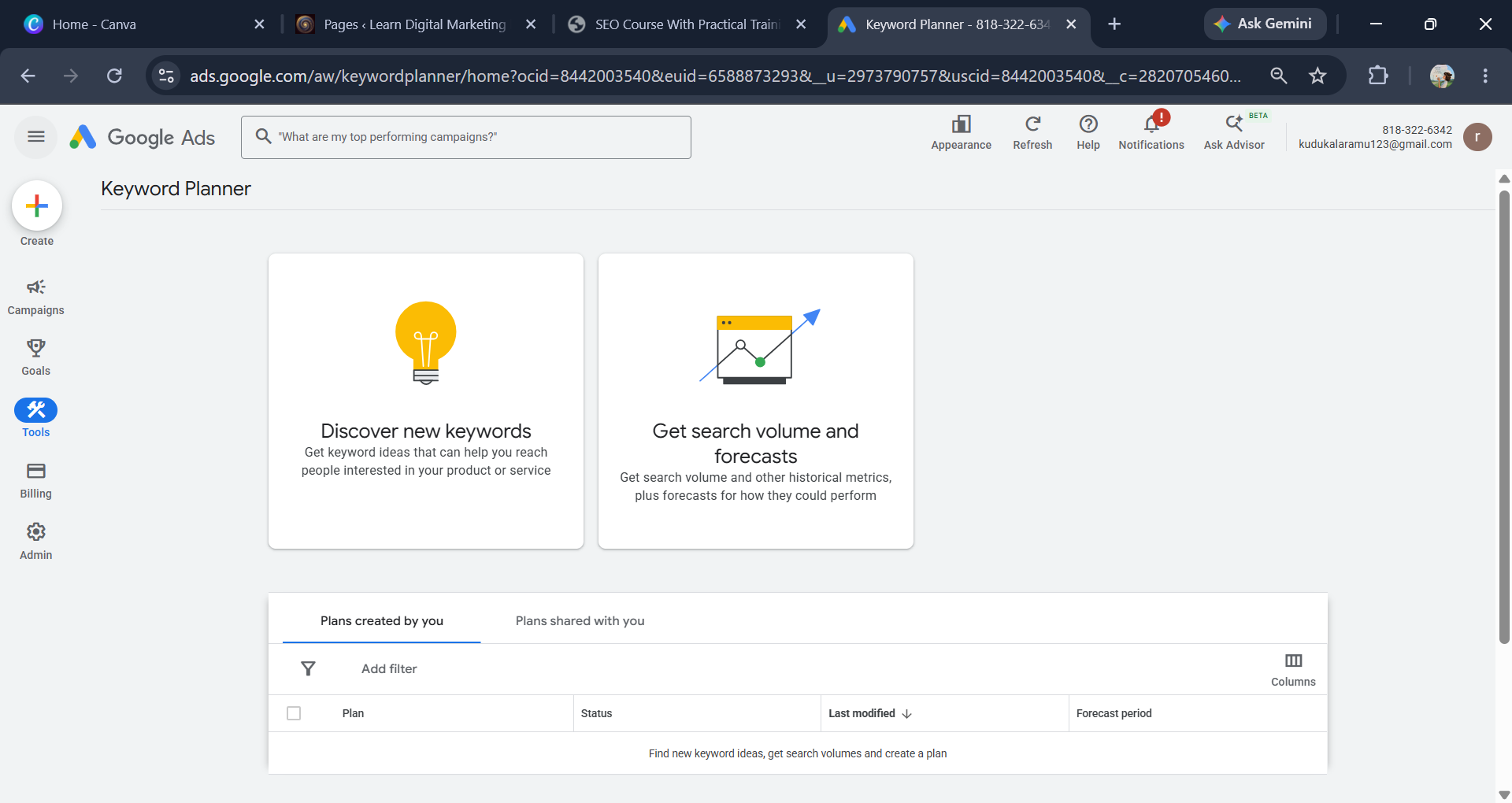
Keyword Research Project
Research relevant search terms and organize them according to user intent, topic and website page.
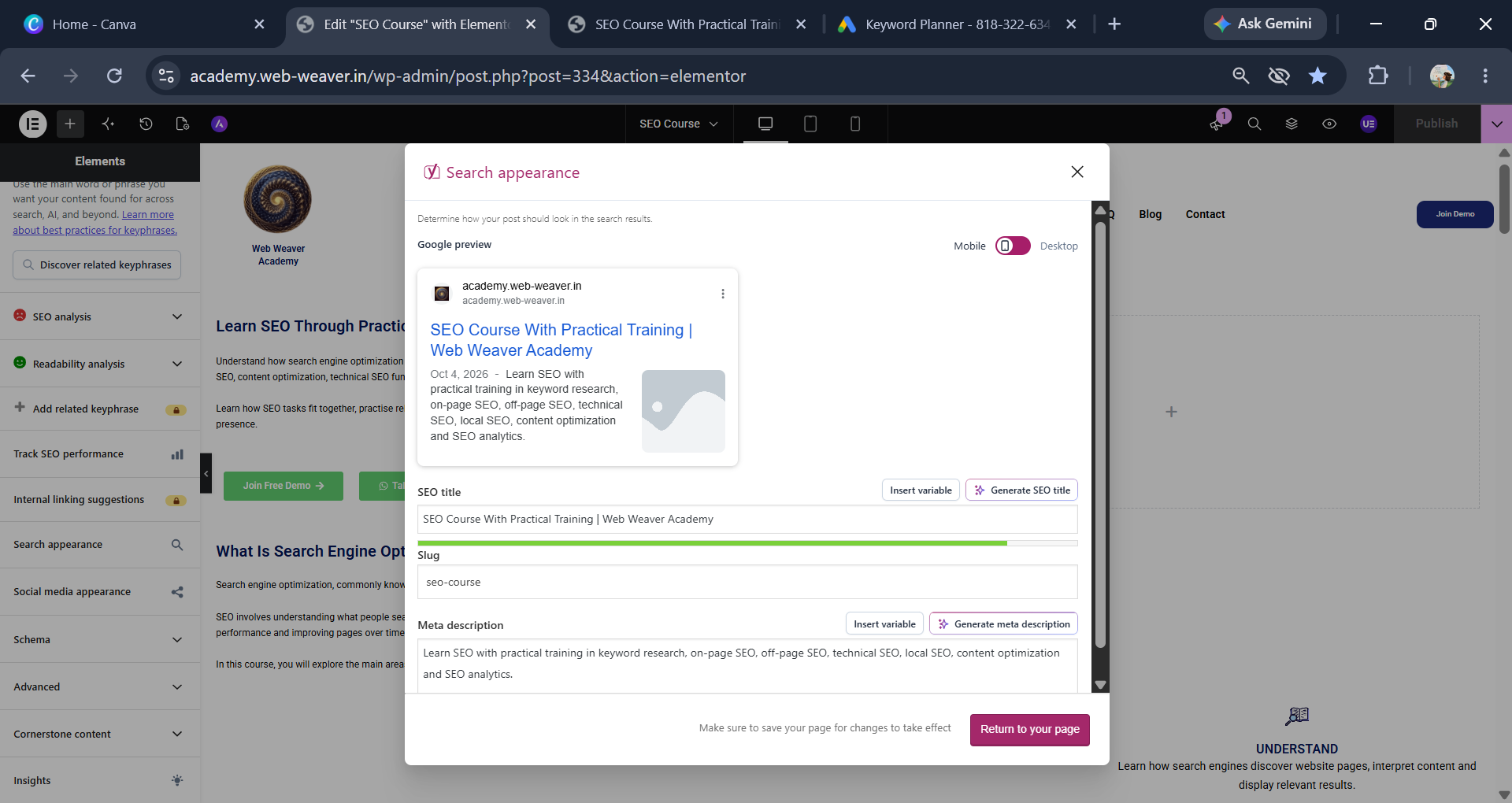
On-Page SEO Project
Review a website page and identify opportunities to improve its titles, headings, content, URLs and internal links.
SEO Audit Project
Review a website for common SEO issues and organize the findings into a clear list of possible improvements.
SEO Content Project
Plan or review content based on the audience, search intent, relevant topics and page structure.
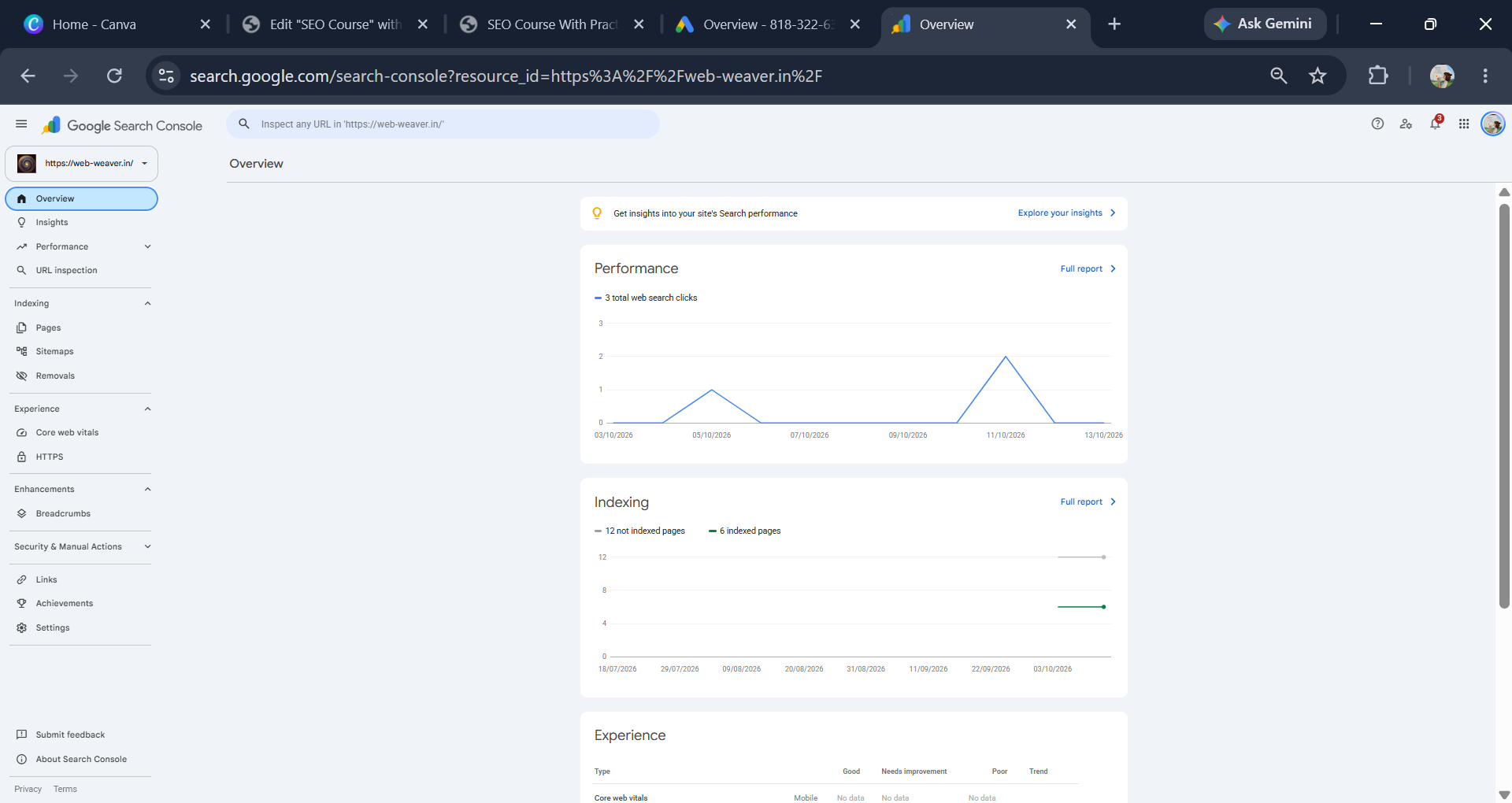
Search Console Project
Explore search performance data, including queries, clicks and impressions, and identify potential areas for review.
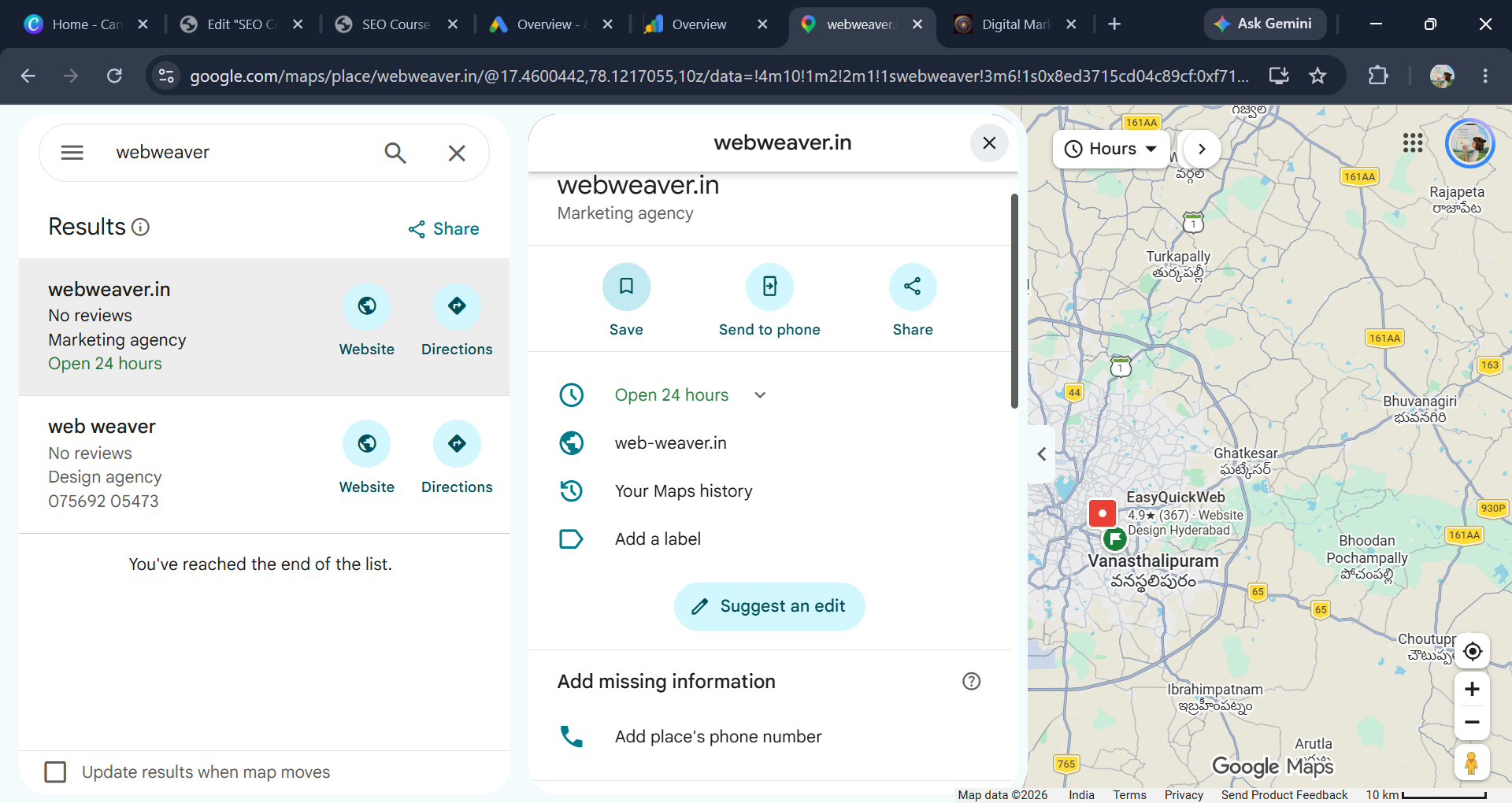
Local SEO Project
Review local search information and identify opportunities involving business listings, location-related terms and local website pages.
What Will You Learn to Analyse?
Learn how to interpret SEO performance data to understand how a website appears in search results and how users reach its pages. Explore key metrics, identify patterns and use the findings to decide what may need further investigation or improvement.
Impressions
How often a website page appears in Google search results.
Clicks
How often users click through from Google search results.
( CTR ) Click-Through Rate
The percentage of impressions that result in clicks.
Search Queries
The search terms for which a website receives impressions or clicks.
Organic Traffic
Visits attributed to unpaid search results, as measured by your analytics setup.
Rankings
The positions a page receives for particular search queries; positions can vary.
Indexed Pages
Pages that a search engine has included in its index.
Page Performance
How individual pages perform in search and website analytics reports.
DATA
ANALYSE
FIND ISSUES
OPTIMIZE
MEASURE AGAIN
Who Should Join This SEO Course?
This course is intended for people who want to understand search engine optimization and how it fits into digital marketing. Whether you are starting from the beginning or building on existing marketing skills, you can explore the topics that match your current experience and goals.
Students
Explore SEO fundamentals and practise common optimization tasks.
Job Seekers
Develop an understanding of SEO activities used in digital marketing roles.
Freelancers
Learn SEO workflows that may complement website, content and marketing services.
Digital Marketers
Expand your understanding of organic search and website optimization.
Business Owners
Understand how SEO can support website discovery and online visibility.
Beginners
Start with SEO basics before progressing to more detailed topics.
SEO Career Paths and Applications
SEO knowledge can be useful across several digital marketing activities and career paths. The roles below involve different responsibilities, and the skills or experience required will vary by employer, client and project.
SEO Executive
Support website optimization and routine SEO tasks.
SEO Analyst
Review search performance data and identify opportunities for improvement.
Digital Marketing Executive
Apply SEO as part of a broader digital marketing plan.
Content SEO Specialist
Connect content planning with search intent and page optimization.
Local SEO Specialist
Help businesses improve their visibility in relevant local searches.
SEO Freelancer
Provide SEO services to clients, depending on skills and experience.
SEO Consultant
Assess SEO needs and recommend an optimization strategy.
Career opportunities depend on your skills, portfolio, practical experience and ability to deliver quality work.
Why Learn SEO With Web Weaver Academy?
Explore SEO through a structured learning approach that connects search concepts with website tasks. Understand how keyword research, page optimization, content, technical checks and performance analysis fit together.
Practical
Explore SEO concepts through guided tasks and exercises.
Website-Based Practice
Learn how SEO principles apply to website pages and content.
Project-Based Learning
Work through structured examples that connect SEO tasks into a workflow.
Trainer Guidance
Get guidance on understanding the tasks and reviewing your work, according to the training arrangement.
SEO & Digital Marketing
Understand how organic search relates to website content and broader marketing activities.
Analysis & Improvement
Learn to review SEO information, identify potential issues and plan next steps.
SEO With AI-Assisted Workflows
Explore how AI tools can assist selected SEO tasks, including research, content planning, drafting and organizing information. Learn why human review is important for checking accuracy, usefulness, originality and alignment with search intent before publishing or implementing changes.
KEYWORD RESEARCH
Use AI-assisted brainstorming to explore possible keyword themes, then validate them with suitable research tools.
CONTENT PLANNING
Generate topic ideas and organize content outlines around audience needs and search intent.
CONTENT CREATION
Use AI to support drafting while reviewing factual accuracy, clarity, originality and usefulness.
SEO ANALYSIS
Use AI to help organize observations and summarize information from website reviews or reports.
HUMAN REVIEW
Check recommendations, confirm facts and use your own judgement before making changes.
IMPLEMENT
Apply only relevant, reviewed improvements and monitor their effects.
AI can assist SEO work. It does not replace SEO strategy and human judgement.
Learn SEO With WordPress Websites
Understand how SEO principles can be applied to WordPress websites. Explore page structure, titles, headings, content, internal links and relevant SEO settings, and learn how to review website pages for possible improvements.
Website Structure
Understand how pages should be organized to help visitors navigate the website.
Page Optimization
Review page titles, headings, URLs, meta descriptions and other relevant on-page elements.
Content
Create and improve useful website content based on audience needs and search intent.
Technical Basics
Explore important technical SEO considerations, including crawling, indexing and website configuration.
Our Practical SEO Learning Method
Connect SEO concepts with practical tasks through a six-step learning process.
LEARN
PRACTICE
BUILD
ANALYSE
IMPROVE
USE
Understand the concept, apply it to a task, review your work and identify opportunities to improve. The aim is to understand both the process and the reasoning behind SEO decisions.
Learn With Web Weaver Academy
Explore digital marketing and SEO training options with Web Weaver Academy. Review the available training format and contact the academy to discuss the course, your learning goals and the next steps.

Hyderabad
Explore digital marketing and SEO training information for learners in Hyderabad. Contact the academy to confirm the current training arrangements.

Jagtial
Explore digital marketing and SEO training information for learners in Jagtial. Contact the academy to confirm the current training arrangements.
Online Digital Marketing & SEO Training
Learn online from a location that suits you. Ask about the training format, course topics and arrangements before enrolling.
Frequently Asked Questions
Who can join the SEO course?
Students, job seekers, freelancers, digital marketers, business owners and beginners interested in learning SEO can enquire about the course.
Do I need previous SEO experience?
Previous SEO experience is not necessarily required for a beginner-level course. Contact the academy to confirm the starting level and prerequisites.
Do I need coding knowledge to learn SEO?
You can learn many SEO fundamentals without coding. Some technical SEO tasks may require website configuration or support from a developer.
What will I learn in the SEO course?
The course may cover SEO fundamentals, keyword research, on-page SEO, off-page SEO, technical SEO, local SEO, content optimization and SEO performance analysis. Confirm the final syllabus with the academy.
Will I work on practical SEO projects?
The course can include practical exercises and project workflows according to the training plan. Ask the academy which activities are included in your course.
Can beginners join?
Beginners can enquire about the course and discuss the suitable starting point.
Can I learn SEO online?
Online learning may be available. Contact the academy to confirm the current format, schedule and arrangements.
Can SEO help with digital marketing?
Yes. SEO is one part of digital marketing and can complement content marketing, website development and other online marketing activities.
How can I attend the free demo?
Use the Join Free Demo button or contact Web Weaver Academy through WhatsApp to enquire about the arrangements.
START LEARNING WITH A FREE DEMO
See how SEO works in practice and understand how keyword research, website optimization, content and SEO analysis are connected.
Ready to Learn SEO by Doing Real Work?
Explore SEO fundamentals, keyword research, website optimization, content and performance analysis through a structured learning approach. Enquire about a free demo to discuss your learning goals and the course details.
Learn → Practice → Build → Analyse → Improve → Use